Two numbers, same neighborhood, same week. As of June 7, 2026, Glenbrook shows eight active listings, an average of 89 days on market, and a median list around $5.22 million. Earlier this year, a Glenbrook lakefront closed at $22.15 million after eight days, $2.15 million over asking. Both are true. Only one of them tells you how this market actually behaves.
If you have been comparing Nevada-side Tahoe communities from a screen in the Bay Area or Southern California, the headline stats read like a slow market with room to negotiate. Inside the gate, the market is doing something else entirely, and the mechanism is not price. It is shoreline.
The number that tells the wrong story
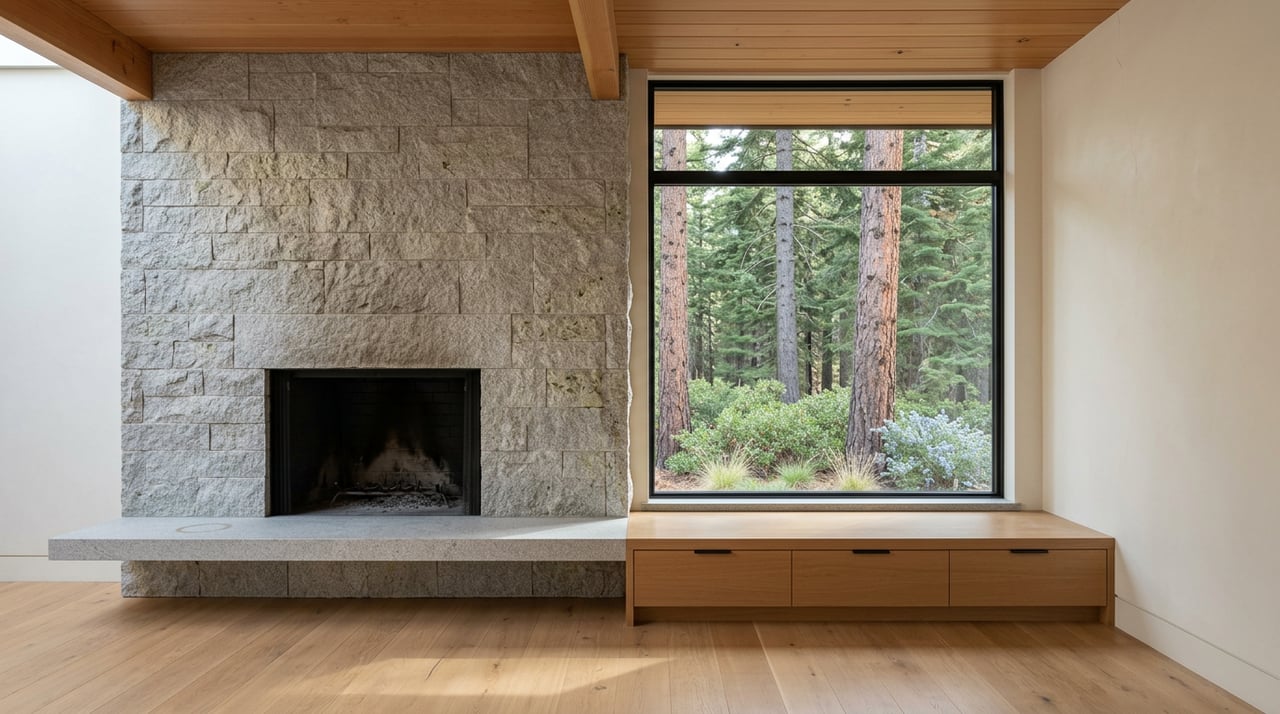
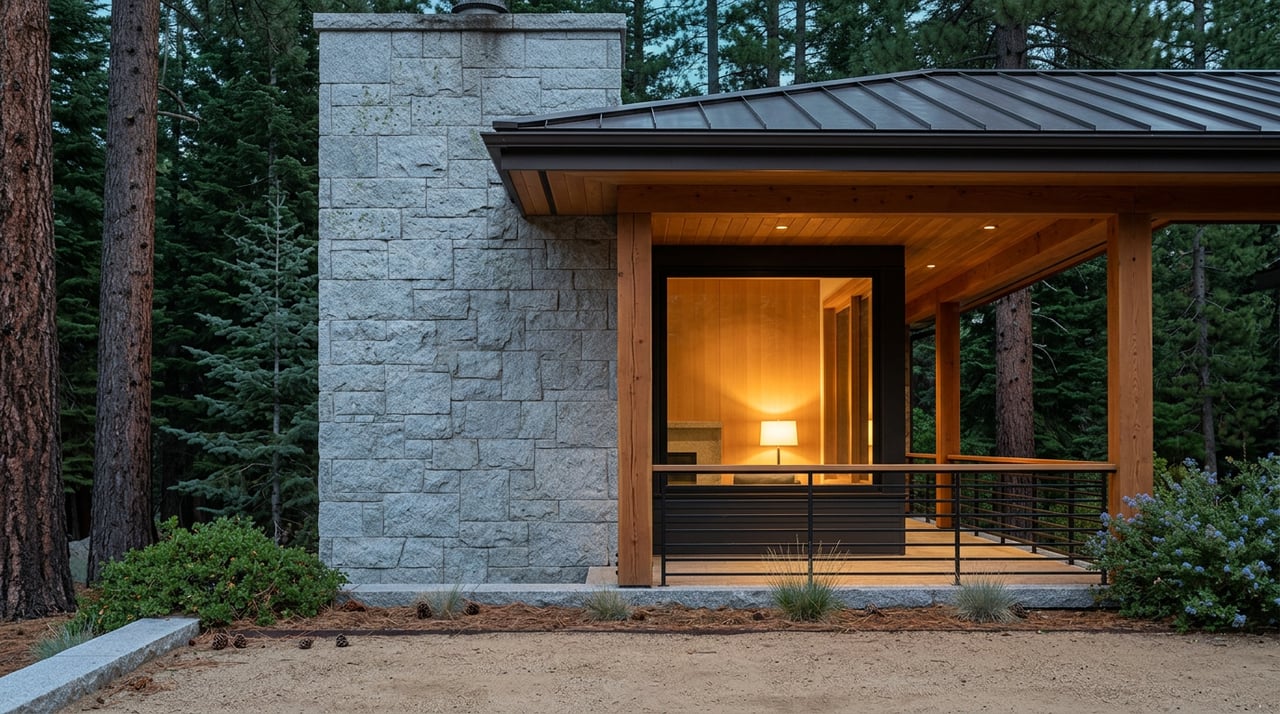
Days on market is a useful signal in a homogenous neighborhood. Glenbrook is not homogenous. Roughly 297 residences sit on 730 acres, with only about 150 of those acres developed and 61 lakefronts along the eastern shore. The other homes range from historic 1860s-era cottages left over from the original lumbering settlement to modern estates set back into the pines.
Averaging days on market across that mix produces a number that describes nothing in particular. A cottage-scale home priced for the interior of the community can sit while a permitted lakefront trades in a week. In 2026, a $22.15 million Glenbrook lakefront went pending in eight days at $2.15 million over ask. The same year, Forbes reported the Hidden Harbor Legacy Estate at 1146 Highway 50 listed near $25 million on 3.45 acres with more than 230 feet of shoreline and a private pier. Those two data points are not outliers in the tier. They are the tier.
The thesis is simple. Glenbrook is a two-speed market, and the binding constraint on the fast side is not what buyers are willing to pay. It is what the lake and the regulators will physically allow to exist.
What the median actually buys inside the gates
The $5.22 million median list is real, but it hides three very different products. A rough working map:
| Tier | What it usually is | Where it sits in Glenbrook |
|---|---|---|
| Interior cottage or updated original | Smaller footprint, historic character, forest setting | Meadow and hillside parcels away from the water |
| View estate | Multi-level custom homes designed around the hilly terrain to capture lake views | Elevated lots inside the gates |
| Lakefront | Direct shoreline, sometimes with permitted pier and buoy rights | 61 parcels along the eastern shore |
A buyer running comps against the median without sorting for tier will consistently misread the market. The same $5 million buys a very different asset depending on whether the parcel touches water, holds a view corridor, or sits in the forest interior. At Uppaway Estates, a gated waterside enclave of roughly 35 homes inside Glenbrook, a 4,100 square foot custom home with four ensuite bedrooms was listed in April 2026 at $4.995 million with lake views but not lakefront frontage. That is a useful reference point for the middle tier, and it is a completely different transaction from the one that produced the $22.15 million close.
The line item that reshapes the deal
If transaction-specific friction leads anywhere in Glenbrook, it leads to the pier.
A permitted private pier at Lake Tahoe carries an estimated value of roughly $500,000 to $2 million on its own, and new piers are effectively unbuildable under current shoreline permitting. That is the sentence that changes how a Glenbrook offer gets written. When a listing includes an existing, permitted pier and buoy field access, the buyer is not paying for wood and pilings. They are paying for a permit that cannot be reissued at any price on a neighboring parcel.
Two practical consequences follow.
First, the pier is a due diligence item, not a marketing bullet. Permit status, TRPA conformance, shared-use language, and the specific rights that transfer with the deed are worth verifying line by line before the appraisal, because a compromised or non-transferable permit changes the value of the whole asset. My contractor background makes this a habit in every East Shore transaction, and it should be the first thing your representation confirms.
Second, at the lakefront tier, buyer competition is compressed into whichever parcels have already cleared this bar. The Glenbrook community pier, private sandy beach, tennis and pickleball courts, and valet buoy field administered through the Glenbrook Club give non-lakefront owners a way into the water without the private pier problem, and that shared access is the reason interior homes hold value even when the lakefront tier is doing something dramatic.
The friction that surfaces late
Three other frictions catch out-of-market buyers late in a Glenbrook deal.
Insurance binding. Wildfire-driven premium increases and carrier pullback are a real headwind across every Tahoe tier. The workable move is to bind coverage during the offer phase, not at closing. Waiting until the appraisal is back is how a clean deal turns into a scramble.
HOA character rules. The Glenbrook Homeowners Association maintains strict aesthetics guidelines that generally prohibit RVs, trailers, or boats stored on residential driveways or yards. Homeowners typically store those vehicles in fully enclosed garages or off-site. For a second-home buyer planning to keep a wake boat on a trailer next to the house, this is a design constraint that needs to be resolved before offer, not after.
Off-market flow. At the top of the Tahoe luxury market, the best lakefront trades before it is ever advertised, and Glenbrook is one of the pockets where that pattern is most consistent. A buyer who only tracks the MLS is looking at the slower speed of a two-speed market. Getting introduced into the off-market pipeline is a relationship problem, not a search problem.
How to read a Glenbrook listing before you fly in
A short field guide, in the order that usually matters:
- Confirm the tier. Lakefront, view estate, or interior. The median tells you almost nothing until you have placed the property in one of the three.
- Read the shoreline language. Look for the words private pier, buoy, permit, and any reference to transferability. Then verify each of them independently.
- Check for Glenbrook Club access. Membership pathways and amenity access, including the private beach, the valet buoy field, and Nevada's oldest nine-hole golf course, materially affect resale.
- Ask about storage and outbuilding rules early. The HOA guidelines are enforced and will shape how you use the property.
- Price insurance before you price the mortgage. On the East Shore, that order matters.
- Ask your agent what is not on the MLS. If the answer is "nothing," you are working with the wrong pipeline.
Glenbrook is a small market with a long memory. It was one of the first neighborhoods established along Lake Tahoe, and the community still traces its footprint to the 1860s lumbering era. The homes tell that story, the amenities tell that story, and the pricing structure tells that story once you know how to read it. The headline numbers are just the surface tension.
A few questions worth asking
If the average days on market is 89, why should I move quickly on a lakefront? Because the average is dragged up by the interior tier. Lakefront inventory across the Nevada side runs thin, often in the range of 8 to 15 homes across all five Nevada submarkets combined at any given time, and the best examples trade off-market. Speed at that tier is a supply function, not a hype function.
How much of the price of a lakefront is the pier? Estimates put the value of a permitted private pier at roughly $500,000 to $2 million, with new piers effectively unbuildable. The exact figure depends on permit specifics, shoreline configuration, and whether buoys are included. Treat it as a distinct line item during diligence.
Does Nevada's tax structure actually change buyer behavior at this level? It does. Zero state income tax is a persistent draw for buyers relocating from higher-tax states, and Forbes reported in April 2026 that ultra-high-net-worth buyers have been accelerating moves onto Tahoe's Nevada shore in part for that reason. The tax argument does not create the scarcity, but it keeps demand structurally above what a fixed shoreline can supply.
Is Glenbrook a good fit for a buyer who wants to be on the water but not manage a pier? Often yes. The community pier, private beach, and valet buoy field administered through the Glenbrook Club give interior owners lake access without the permit exposure that comes with private shoreline. For many second-home buyers, that structure is the point.
If you are weighing Glenbrook against Zephyr Cove, Incline Village, or another East Shore option, the right next step is a conversation about your intended use of the water and your tolerance for off-market timing. Scott Roberts works both sides of that decision every week, with the construction awareness to read a pier permit and the patience to wait for the right parcel to surface. Let's Connect.